 I know how important it is , when you are writing or renewing your CMALT portfolio, to be able to evidence the contribution you have made to the technology context in the university in which you work.
As part of my own reflection and as part of the support we provide to CMALTers, I make sure that the learning technologists who are part of our major projects and initiatives are supported to gather this evidence.
At Edinburgh we are currently developing a major capital plan for the Digital Estate over the next 10 years. I am pleased to be able to offer a specific session for the Edinburgh CMALTers to feed into this plan, thinking about their own professional practice and the ways in which the context is shaped.
“All staff are invited to have a say on the future of the technology we use across the University. As someone we have identified as either currently holding or working towards achieving CMALT accreditation, we would like to invite you to this session focusing more specifically on the digital learning & teaching portfolio.
The university is developing a 10-Year Digital Estate Plan to help shape the future of the IT systems and IT platforms that underpin work across the University — from teaching and research to HR, Finance, Estates, Web, cyber security and more.
The plan is currently a working draft, and we are interested in getting your input before it goes through University governance later this year. As someone working in learning technology we’re particularly keen to hear from you, thinking about how you use these systems and help others to do so. Tell us what works, what doesn’t, what’s missing, and where you think changes and improvements should be focused.
Attendance is optional though having the opportunity to participate in the event may also prove useful in relation to your CMALT portfolio, providing an opportunity to evidence and reflect on how you bring professional knowledge, experience, and CMALT values to strategic university work.”
I wrote a chapter abut having diverse voices in strategic thinking based on my research has now been published in the Handbook of Digital Higher Education:
Chapter 28: The importance of diversity and digital leadership in education: a feminist perspective from higher education https://www.elgaronline.com/view/book/9781800888494/book-part-9781800888494-39.xml
“There are a number of areas in which the decisions made by digital leadership will shape the context for equality, diversity and inclusion across their wider university. Digital leaders in universities try to make sure that systems work well together (whether those systems are ‘home grown’, commercial, locally developed, closed or open source) and to ensure that they are configurable to local needs. In each university, decisions are made locally about what technology is needed. The nature of systemic bias and structural inequality in technology ‘products’ has been an area of concern for researchers for many years and it is vital that these biases do not become entrenched in universities too through the purchasing and configuration choices of IT leaders.”
The book was published in 2022 and I have contributed to an update, but I have’t seen that published yet.
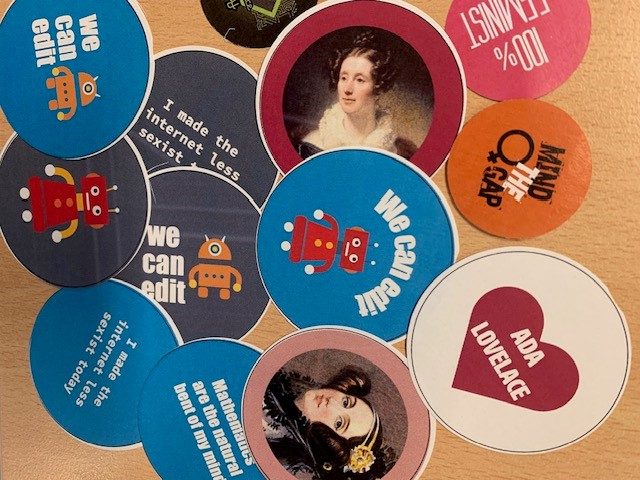 Booking is now open for the University’s Ada Lovelace Day celebrations on Tuesday 13 October, with a programme of workshops, talks and activities celebrating the achievements of women in science, technology, engineering and mathematics.