
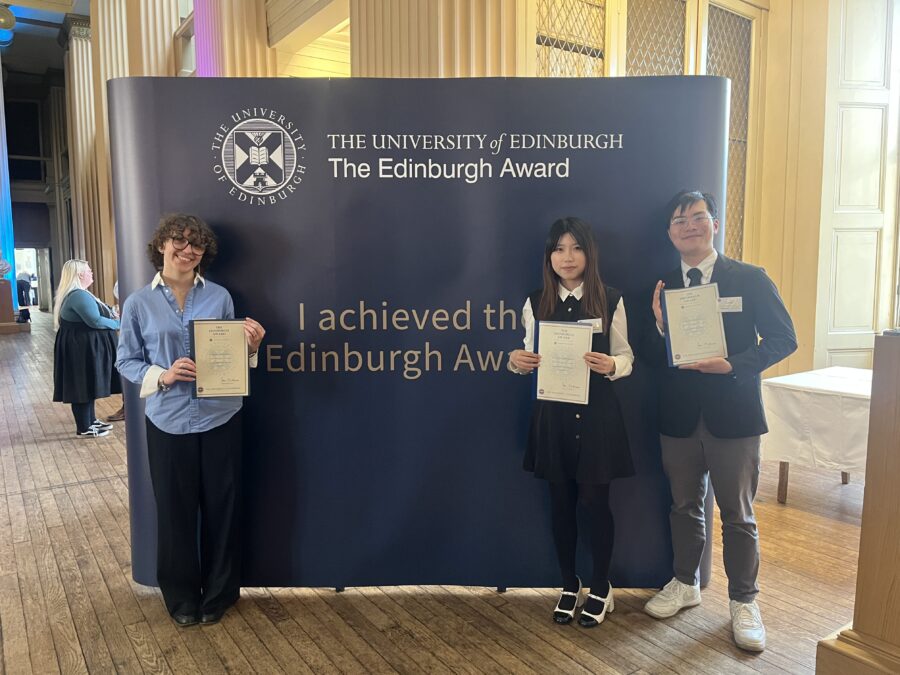
We know that many students are involved in activities alongside their studies such as volunteering, part-time work, and getting involved in the University community. To help these activities to stand out from the crowd, our University has had an Award for “Digital Volunteering with Wikipedia” to sit beside other available Edinburgh Awards for the last five years now. The Edinburgh Award is a programme that allows students to get official recognition for their involvement in extracurricular activities and demonstrate their digital capabilities to employers.
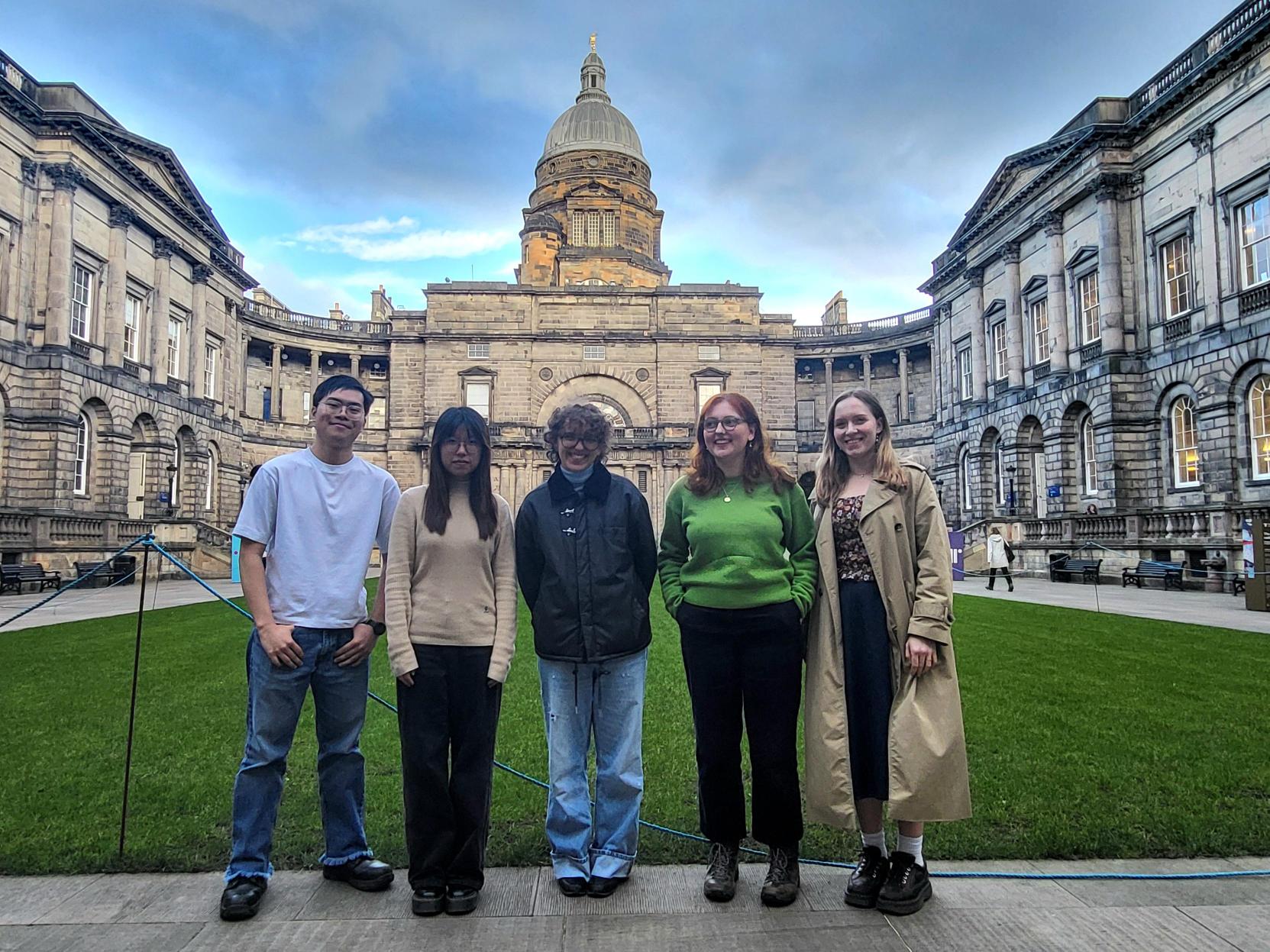
Our five (in-person) award achievers in Old College quad. Pic by Anna Judelson CC-BY-SA
There are many different types of Edinburgh Award activity students can undertake but Digital Volunteering with Wikipedia focuses on developing three Skills for Success (e.g. digital literacy, written communication, time management, assertiveness & confidence etc.) over the course of 55-80 hours of work and providing evidence of demonstrable learning, reflection and impact. These hours are staggered over the October to end of March period punctuated by three main mandatory “input” workshop sessions.
In the first, Aspiring, in mid October the students self-assess themselves against the Skills for Success framework and select three to develop as part of the award. They also select a topic area of Wikipedia they wish to improve and submit a 400 word action plan for how they plan to develop their chosen Skills for Success and how they’ll deliver impact.
Once they have had training and researched their topic areas, the 2nd Input Session, Developing, in early December, requires them to re-assess if their Likert scale ranking of their chosen Skills for Success has changed at all, and submit a completed Fortnightly Log of Activities designed to evidence their work to date and their reflections on how they are progressing and action planning towards their personal project goals. We hold fortnightly group research sessions in the library (because there are vast useful resources there and because not everything is online) to help their research and allow them to come together to discuss their projects, ask questions, help one another and edit in a social and supportive environment.
The final Input Session, Owning, is about coming together to share their project outcomes and unique reflections. In addition, to this it is also about ensuring the students get the opportunity to tie all this personal and professional skills development in with their future goals and how they will communicate about their Edinburgh Award experience to their peers, academic advisors and future employers. This session takes place at end of March and their final submissions are an 800 word report and 5-10 minute presentation reflecting on both their impact achieved and the development achieved in their three chosen Skills for Success.

Topics suggested by students to improve online
More interestingly, are the fascinating topics the students have wanted to write about over this last year and over the last five years: Scottish history and archaeology; Japanese fashion subcultures (Gothic Lolita); Japanese art history; Singaporean people; Artefacts of the Republic of Congo; Ugandan culture and cuisine; Climate change, Covid-19, LGBT History, Black History, Women artists, Women in STEM. Marginalised groups, underrepresented topics, some of the biggest and most pressing challenges in the world today. This shows me, year on year, that students are ‘switched on’ and recognise the importance of addressing knowledge gaps and improving the world around them. Indeed, they had personally chosen to deep dive into their topics and become passionate & knowledgeable about them. And in their end of project presentations, it was abundantly clear they could all articulate (and evidence) such deep reflection and critical thinking on the act of editing and the sense of deep responsibility they felt in ‘taking on the mantle of the expert‘ to communicate their chosen subject as well as the intrinsic motivation and pride they each felt in helping to share their published outputs openly & globally to improve representation online.
Here’s our final six award achievers:
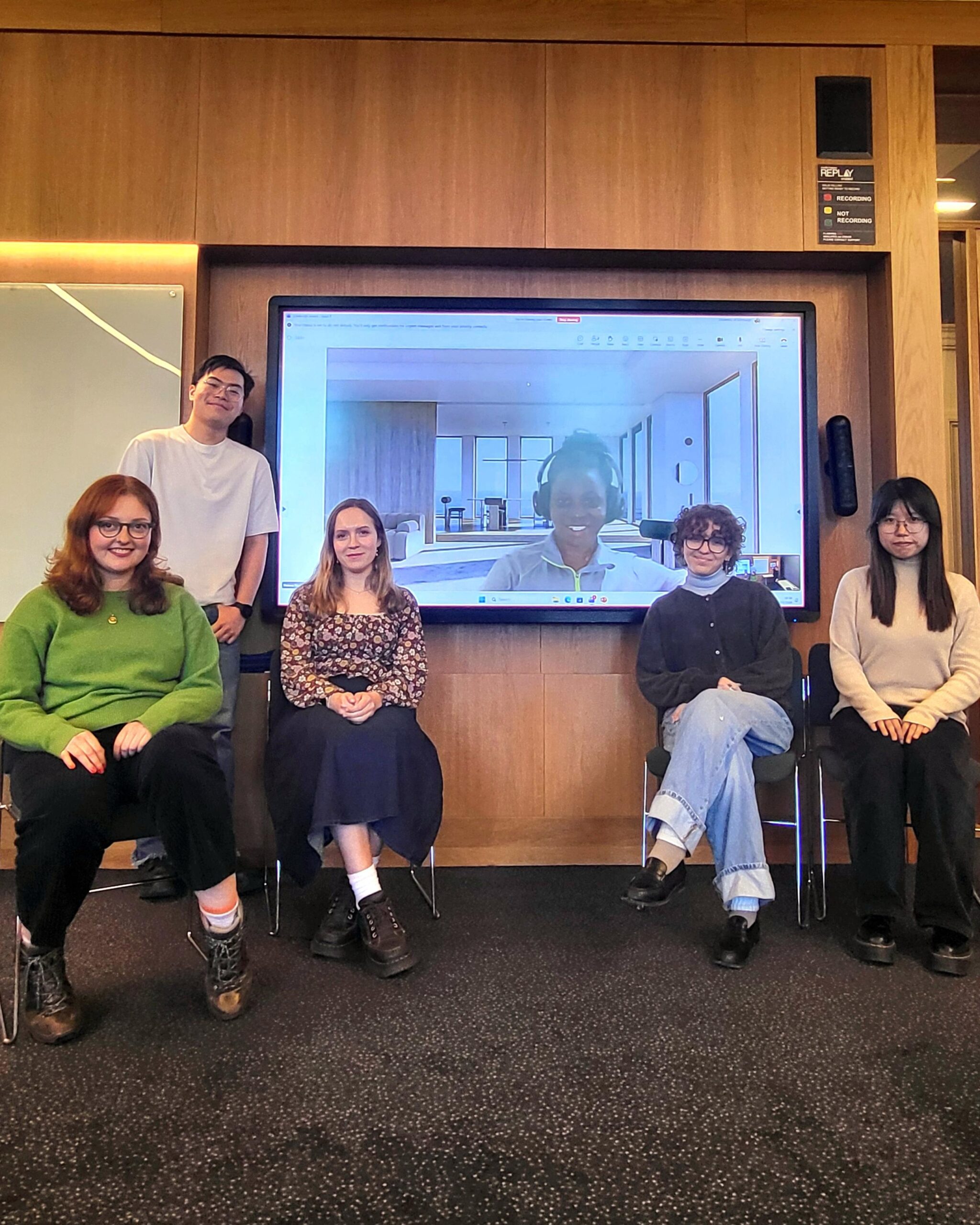
The final six students (Hellena joining us remotely from Uganda). Pic by Anna Judelson CC-BY-SA
We started in October with a large cohort off 24 interested students but this reduced to 6 by Input 3 but this was to be expected and is in line with other Edinburgh Award programmes similarly asking students to undergo over 55 hours in extracurricular volunteering when they have lots of other demands on their time and commitments like their studies and part-time jobs among others.
These final SIX ‘knowledge activist’ heroes have been put forward to achieving the Award this year.
The projects
- Singaporean biographies
- Pictish Stones
- Japanese art and fashion
- Artefacts of the Republic of Congo
- Ugandan cultural heritage.
- Japanese fashion subcultures.
The outcomes
138,000 words have been added to Wikipedia and over 1,500 references to pages viewed almost 4 million times already! Our most words contributed ever!
You can watch all their presentations on our Media Hopper playlist.
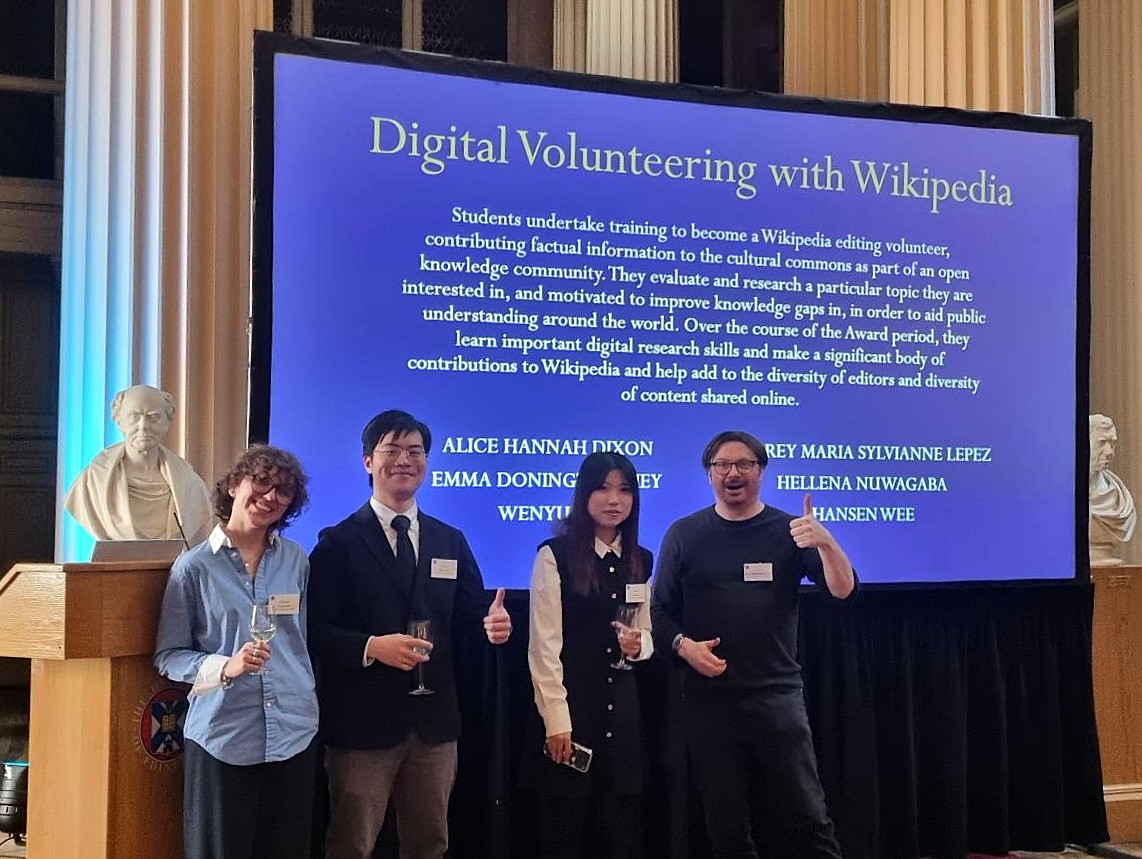
Playfair Library celebration event – 21 April 2026. Pic by Ewan McAndrew, CC-BY-SA
Digital Volunteering with Wikipedia – the Edinburgh Award runs each year from mid October to end of March. Visit our website page about the award and/or email ewan.mcandrew@ed.ac.uk if you are a student interested in taking part of a member of staff wishing to get involved and suggesting topic areas or resources/reading lists to be used next year.
Here is a presentation by Emma on Japanese art and fashion:
Here is a presentation by Alice on Pictish Stones in Scotland:
Here is a presentation by Wenyu on Gothic Lolita fashion and Japanese fashion subcultures:
Here is a presentation by Audrey on artefacts of the Republic of Congo:
Here is a presentation by Hellena on Ugandan cultural heritage objects:
Here is a presentation by Hansen on Singaporean biographies: